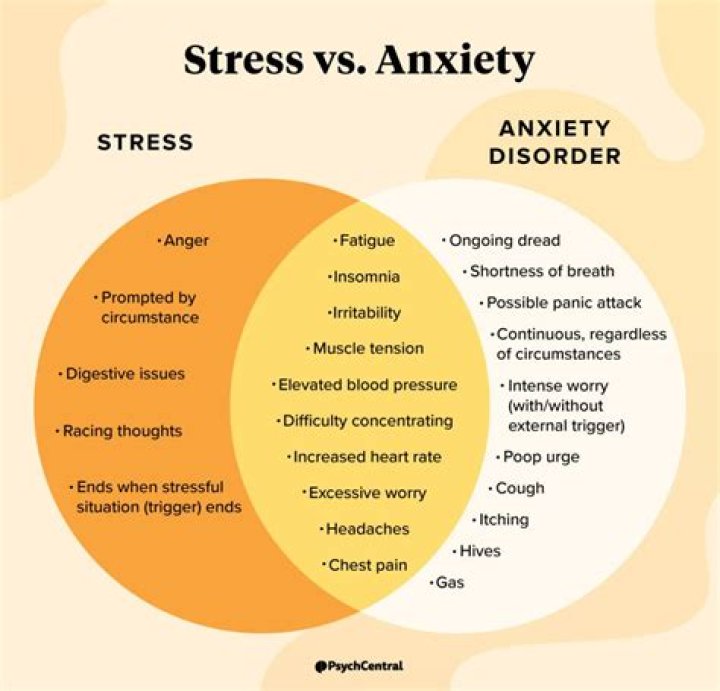
One hospital-based study found that higher anxiety increased PSA screening rates in men, particularly for those with a family history of PCa seeking reassurance from a normal test result.
What can cause a false high PSA reading?
High PSA? Here are 7 common things that can affect your PSA level
- Age. Older men's normal PSA levels run a little higher than those of younger men. ...
- Prostate size. ...
- Prostatitis. ...
- Benign prostatic hyperplasia (BPH) ...
- Urinary tract infection or irritation. ...
- Prostate stimulation. ...
- Medications.
What can temporarily raise PSA levels?
Semen released during sexual activity can cause PSA levels to rise temporarily, which may affect the test results.
...
A raised level of PSA can be a sign of a prostate condition, such as:
- enlarged prostate.
- infection or inflammation of the prostate (prostatitis)
- prostate cancer.
How can I lower my PSA level quickly?
Read on to find out six things you can do at home to have a positive impact on your PSA levels.
- Eat more tomatoes. Tomatoes have an ingredient called lycopene that's known to have health benefits. ...
- Choose healthy protein sources. ...
- Take vitamin D. ...
- Drink green tea. ...
- Exercise. ...
- Reduce stress.
What causes PSA numbers to fluctuate?
Benign prostatic hyperplasia, urethral or prostatic trauma, and prostatitis, as well as prostate cancer, can all be associated with elevated serum PSA levels. Ejaculation and digital rectal examinations have been reported to increase PSA levels but studies have shown the effects to be variable or insignificant (3).Prostate cancer expert takes on contradictory advice about PSA testing
What can skew a PSA test?
What can skew a PSA test?
- Medications. Certain medications can cause a man's PSA level to drop, including medications used to treat common concerns for aging men. ...
- DRE. Digital rectal exams (DRE) are exams used to manually feel the prostate. ...
- Ejaculation. ...
- Infection. ...
- Acute urinary retention.
- Prostate biopsy.
How quickly can PSA levels change?
Your doctor will also consider other things, including what your PSA levels were before you had cancer, your overall health, and whether you've had radiation therapy. After radiation therapy it may take 1-2 years for your PSA to drop to its lowest level.What is an alarming PSA level?
PSA levels under 4 ng/ml are generally considered normal, while levels over 4 ng/ml are considered abnormal. PSA levels between 4 and 10 ng/ml indicate a risk of prostate cancer higher than normal. When the PSA level is above 10 ng/ml, risk of prostate cancer is much higher.At what PSA level should a biopsy be done?
A lower percent-free PSA means that your chance of having prostate cancer is higher and you should probably have a biopsy. Many doctors recommend a prostate biopsy for men whose percent-free PSA is 10% or less, and advise that men consider a biopsy if it is between 10% and 25%.What does a slightly elevated PSA mean?
Elevated prostate-specific antigen (PSA) levels can be a sign of prostate cancer. It can also indicate noncancerous problems such as prostate enlargement and inflammation.What time of day is PSA lowest?
One hundred forty (87.5%) and 26 (86.6%) patients had a decrease in the PSA levels when measured in the afternoon. The Wilcoxon signed-rank test determined a statistically significant difference between the PSA levels measured in the morning and in the afternoon in each group.Is it normal for PSA levels to fluctuate?
While prostate cancer cells produce PSA, so do normal prostate cells. So PSA levels can fluctuate a fair degree from one measurement to the next.What does a urologist do if your PSA is elevated?
After an initial test result of elevated PSA levels, a urologist will want to perform another PSA test and other tests to diagnose the issue. Prostate-specific antigen, or PSA, is a protein produced in cells of the prostate gland and a PSA test measures the level of PSA in a man's blood.How often are PSA tests wrong?
There is no reliable screening test for prostate cancer, including PSA and DRE. PSA has a false positive rate of about 70% and a false negative rate of about 20%. Although screening for prostate cancer with PSA can reduce mortality from prostate cancer, the absolute risk reduction is very small.Can a bowel movement affect PSA?
A recent ejaculation or digital exam can cause the PSA to elevate. Conceivably, even a forced, hard bowel movement could elevate the PSA. Men should consider these things if they are having their blood drawn for a screen.How much should PSA increase per year?
In the overall study population, the mean change in PSA levels was 2.9% per year and the rate of change in PSA increased modestly with age (PHow painful is a biopsy of the prostate?
You will feel some pressure when the probe is inserted, but it is usually not painful. Usually between 6 – 12 (sometimes more) prostatic tissue samples are obtained and the entire procedure lasts about 10 minutes. A local anesthetic can be used to numb the area and reduce any pain.Is an MRI of the prostate better than a biopsy?
Among the diagnostic strategies considered, the MRI pathway has the most favourable diagnostic accuracy in clinically significant prostate cancer detection. Compared to systematic biopsy, it increases the number of significant cancer detected while reducing the number of insignificant cancer diagnosed.Can Covid 19 raise PSA levels?
001, PWhat is the highest PSA level ever recorded?
With advances in technology, extremely high PSA values can be calibrated nowadays. PSA testing could span ~106 folds, ranging from 0.01 to ~104 ng/mL. In this study, the highest PSA detected was 23,162 ng/mL.What is the average PSA for a 70 year old?
3.5-4.5: Normal for a man 60-70 yrs. 4.5-5.5: Normal for a man 70-80 yrs.What medications can raise your PSA level?
Official answer
- Nonsteroidal anti-inflammatory drugs (NSAIDs), such as aspirin, ibuprofen and naproxen.
- Cholesterol-lowering statins, such as Lipitor (atorvastatin) and Zocor (simvastatin)
- High blood pressure drugs known as thiazide diuretics.