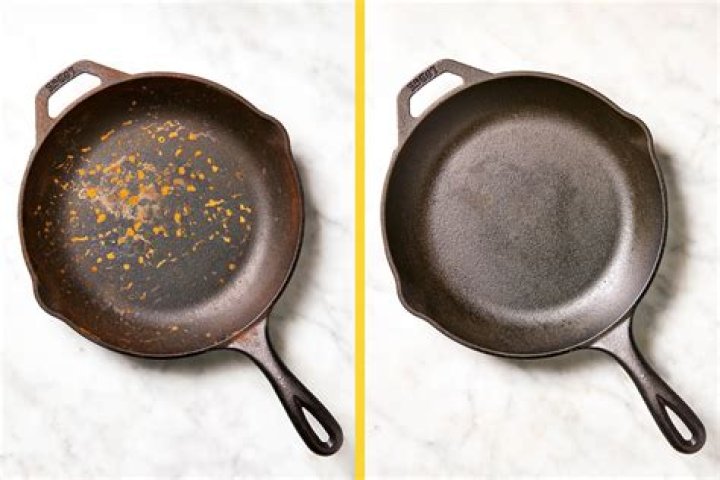
Should you use cooking spray on cast iron?
All cooking oils and fats can be used for seasoning cast iron, but based on availability, affordability, effectiveness, and having a high smoke point, Lodge recommends vegetable oil, melted shortening, or canola oil, like our Seasoning Spray.How do you keep a cast iron skillet from sticking?
Prior to cooking, add about a teaspoon of oil to your skillet and heat it gradually on the stovetop or in the oven to help reduce sticking. After cooking, allow the cookware to cool, then use a pan scraper to remove stuck-on food, scrub with a nylon brush or nonscratch pad, hand dry, and add a generous layer of oil.Do cast iron pans need to be greased?
Add a thin layer of oil.Cast-iron cookware is porous, and the oil works to fill those pores and create a smooth, nonstick surface. Enough oil soaks into those pores during the initial coating, so you can go ahead and wipe off as much as you can.
Should I oil my cast iron after every use?
— To get the best out of your cast iron skillet, it's recommended that you oil it after each use. However, depending on how frequently you use it, 2-3 times a year is sufficient. How can I tell when my skillet is seasoned properly? — A well-seasoned skillet will be noticeably dark with a shiny, semi-gloss finish.Vintage Taiwan Cast Iron - Seasoning Cast Iron with PAM Cooking Spray
What should I grease my cast iron pan with?
fat. Vegetable shortening, lard, bacon grease, or neutral cooking oil with a high smoke point (such as canola, avocado, grapeseed, or safflower oil) all work, but note that some work better than others. Put the pan back in the oven for another 10 minutes.What you should not cook in cast iron?
4 Things You Should Never Cook in Cast Iron:
- Smelly foods. Garlic, peppers, some fish, stinky cheeses and more tend to leave aromatic memories with your pan that will turn up in the next couple of things you cook in it. ...
- Eggs and other sticky things (for a while) ...
- Delicate fish. ...
- Acidic things—maybe.
How do you treat new cast iron?
How to Season a New Cast Iron Pan
- Step 1: Wash and Dry Your Pan. ...
- Step 2: Rub It All Over With Oil and Buff Well. ...
- Step 3: Heat It in the Oven. ...
- Step 4: Repeat 3 to 4 Times.
Why is my cast iron black when I wipe?
They are most likely carbon deposits. This happens due to overheating of fats and oils. Using an oil with a low smoke point will carbonize at high temperatures and cause residue from the pores of your pan to rub off onto your food. While unappealing, they won't hurt you in such a small amount.Do you have to season cast iron every time?
Every time you use your cast-iron skillet, you're wearing some of the seasoning down, and eventually it won't function as well. So season it again whenever you see dull spots. Or do what I do: season it whenever it's out and your oven is on.How do you use cast iron for the first time?
Maintaining pre-seasoned Cast Iron Cookware for the first time
- Just wash the pan with hot water. ...
- After washing, dry the pan with a dry soft cloth and apply a coating on the pan with cooking oil.
- You may have to do it a few times before start cooking in it as it will remove all the residue on the pan.
Can you cook with butter in a cast iron skillet?
Yes, you can cook with butter in your cast iron skillet or Dutch oven. Keep in mind that butter burns at temperatures above 350°F (177°C), so you shouldn't use high heat when you're frying foods with it. Either turn down the heat or substitute it with an oil that has a higher smoke point.Can you ruin a cast iron skillet?
Famously durable, these pans are often passed down through generations. With proper reseasoning care, years of frequent use can actually improve the pan's “seasoning”—its natural nonstick coating. But sadly, cast iron skillets can indeed break.Can I just wipe out cast iron skillet?
Most often you can clean a cast-iron pan by simply wiping it down with a dry paper towel or cotton dishcloth. If the pan is well seasoned, bits of burnt, stuck-on food will come right off. If any stubborn bits remain, scrape them off with a plastic spatula.Can you leave food in a cast iron skillet overnight?
With a cast-iron skillet, you should always remove food from the pan and store leftovers separately. (No sticking tin foil over a pan of food and just popping it in the fridge.) As a general rule, you want to keep your cast-iron pan very dry to preserve its seasoning and prevent rust.Do you have to treat a new cast iron pan?
Cure or Season Before UseA new uncoated or non-seasoned cast iron fry pan also must be cured or seasoned before you can use them―there's no way around that. That includes old pans you inherited from your grandmother, picked up at yard sales (unless in great shape) and any other older cast iron cookware.
How are cast iron skillets pre seasoned?
It is virtually non-stick out of the box.This is known as seasoning. With pre-seasoned cast iron skillets, though, they add coat the pan in vegetable oil at the factory, and it goes through high-temperature commercial ovens that allow the oil to deeply seep into the iron — essentially jump-starting the whole process.