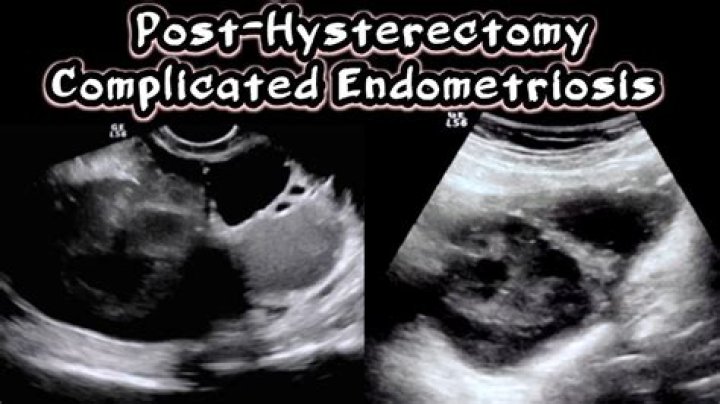
Is it a cure? A hysterectomy relieves the symptoms of endometriosis for many people, but the condition can recur after the surgery, and the symptoms can persist. Having the surgery doesn't always cure endometriosis. All the excess endometrial tissue needs to be removed, along with the uterus.
How quickly can endometriosis grow back after hysterectomy?
How quickly can endometriosis grow back after surgery? For many women, the signs of returning endometriosis after hysterectomy or another procedure will appear about two to five years following surgery.What type of hysterectomy is best for endometriosis?
Research suggests a hysterectomy with oophorectomy relieves endometrial pain better than a hysterectomy alone. In one study:3. Sixty-one percent of people who had a hysterectomy without oophorectomy still had pain and 31% needed a second surgery.What happens after a hysterectomy for endometriosis?
During your recovery at home, you may not be able to do some everyday activities. After a hysterectomy, your period will stop. If your doctor took out your ovaries as well as your uterus, you'll go into menopause. You might have symptoms like hot flashes and loss of bone density.Can I still have endometriosis after a hysterectomy?
Doctors may recommend a hysterectomy to help treat severe endometriosis symptoms that have not responded to conservative treatment. However, endometriosis can recur following a hysterectomy.Is Hysterectomy The Best Cure for Endometriosis
What are the disadvantages of having a hysterectomy?
³ Major complications include hemorrhage, bowel injury, bladder injury, pulmonary embolism, adverse reactions to anesthesia, wound dehiscence, and hematoma. And between 10% and 15% of women who undergo hysterectomy require blood transfusions.Does having a hysterectomy age you faster?
Having a hysterectomy is a big change for your body. Depending on where you are in your menopause journey, this type of procedure can cause hormonal changes resulting in different side effects. A hysterectomy by itself usually doesn't affect your hormones and aging as much.Can you still have menstrual cramps after hysterectomy?
Answer: Many women, after a hysterectomy, can still have "cycles" if their ovaries are in place. They will not bleed since the uterus is no longer present, but they can still have the usual bloating and other PMS symptoms.Who is a good candidate for hysterectomy?
Who is a good candidate for a hysterectomy? Women have hysterectomies for a variety of reasons, but the two most common causes are bleeding or pain—most commonly painful, heavy periods, endometriosis or uterine fibroids.What are the 4 stages of endometriosis?
The stage of endometriosis is based on the location, amount, depth and size of the endometrial tissue.
...
Stages of Endometriosis
- Stage 1: Minimal.
- Stage 2: Mild.
- Stage 3: Moderate.
- Stage 4: Severe.
Why is there no cure for endometriosis?
An All Party Parliamentary Group inquiry into endometriosis care found that there have been no significant treatment breakthroughs because endometriosis research hasn't been a priority. Worse, it means we still don't fully understand what causes the disease, making it difficult to develop a cure.Does endometriosis always come back?
The most recent studies have shown that endometriosis recurs at a rate of 20% to 40% within five years following conservative surgery. The use of oral contraceptive, other suppressive hormonal therapy, or progesterone intra uterine device (IUD) after surgery has been shown to reduce the recurrence of pain symptoms.Why you shouldn't get a hysterectomy?
For many women, the biggest drawback to a hysterectomy is loss of fertility. Once you have a hysterectomy, you cannot conceive, and for many women of childbearing age, this is a significant loss. Women who feel pushed into a hysterectomy may also have a negative reaction to it.What is the average age for hysterectomy?
Although it's commonly thought of as an operation for older women, the average age of women getting hysterectomies is actually 42, which means that many younger women have the procedure. That can be particularly devastating if they haven't yet had but want children.What are the signs of needing a hysterectomy?
The most common reasons for having a hysterectomy include:
- heavy periods – which can be caused by fibroids.
- pelvic pain – which may be caused by endometriosis, unsuccessfully treated pelvic inflammatory disease (PID), adenomyosis or fibroids.
- prolapse of the uterus.
- cancer of the womb, ovaries or cervix.