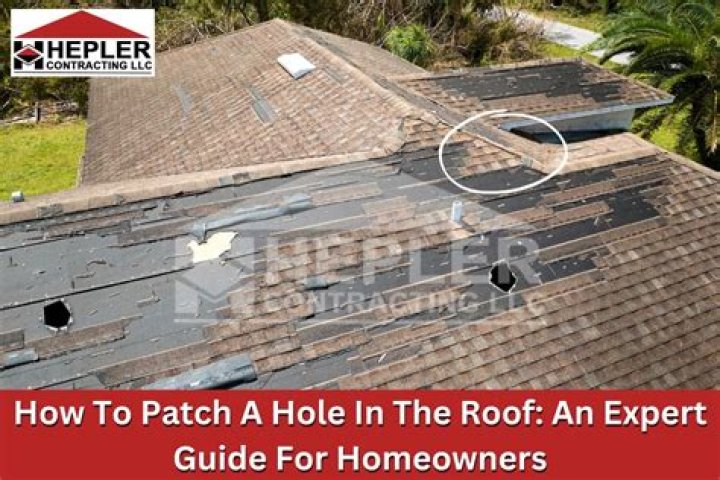
How to Temporarily Patch a Leaky Roof with a Tarp
- Gather the Right Supplies for the Job. First, you'll need to make sure you have the necessary supplies for this project. ...
- Cover Holes. ...
- Clear Debris. ...
- Place the Tarp. ...
- Secure the Tarp to Your Roof.
How do you cover a leaking roof with a tarp?
Secure the roof tarp to prevent flapping, water seepage and debris from entering the damaged area. To secure the tarp, use your screw gun to screw through the four tarp-rolled boards. Use screws long enough to screw through the tarp, board, shingles and into the roof decking. This fastens the tarp securely to the roof.How can I temporarily cover a hole in my roof?
This is the simplest, cheapest, and most common solution–simply cover the affected area with a waterproof tarp. Cover the entire damaged area on your roof, smooth the tarp out, nail it in place, and cover the heads of the nails with a little roofing cement to seal any more tiny holes.Will a tarp stop a leaky roof?
A roof tarp, when secured properly, can protect your roof from new rain, snow or wind. It can prevent holes or missing shingles from turning into leaks and can keep existing leaks from getting worse.How do you temporarily stop a roof leak?
Emergency Roof Leak Repair
- Use a tarp to stop the leak.
- Use roofing cement to patch the roof or flashing.
- Use silicone or caulk to stop the leak.
- Utilize a Rubber Sealant Coating to Stop the Leak.
- Use Roof Flashing to Temporarily Cover the Leaking Area of the Roof.
- Replace shingles.
- Make a replacement shingle.
How to temporarily cover your roof when it leaks using a tarp!
Can you temporarily patch a roof?
Rapid Patch is a temporary roof patch that repairs leaks quickly and in inclement weather. It can be applied in the pouring rain and will move through standing water to stop leaks in minutes to prevent interior water damage.What can I put on a leaking roof?
That's where roofing tar patches, which work best for removable tiles, can help. You can take the tiles off to find internal leaks, and roofing tar can seal the leak in the inner ceiling. Roofing tar can perform better with support from material such as a piece of shingle or plywood.What is the best tarp to use on a roof?
#1 – Vinyl Coated Polyester TarpsThey're UV-treated and are designed to withstand abrasion and heavy winds. You can use them in wintry weather and hot weather without worrying about the conditions damaging the material. They're also waterproof and resist mildew.
When should I tarp my roof?
The most important reason to have a professional tarp your roof is personal safety. Being on a roof that is compromised is dangerous, even when you're a professional. A storm-damaged roof may have weaknesses that you cannot see. One missed step could damage both your roof and you.How much should it cost to tarp a roof?
The national average roof tarping cost typically ranges between $200 and $1300. This is assuming the roof size is 1500 square feet and easily accessible. Also the work is being done on a typical workday, as opposed to an emergency application or repair.How do you secure a tarp?
Tarps can be secured in several ways – with Ropes, Pegs, Bolts, Weights or having the Heavy-Duty Tarp (stockpile Cover) dug into the ground and backfilled. By ensuring that the Tarp is secured this will ensure that the contents under the tarp is protected, it also ensures that the Tarp itself does not get damaged.What is Tarpe?
Definition of tarp: a piece of material (such as durable plastic or waterproofed canvas) used especially for protecting exposed objects or areas : tarpaulin The crewmen competed for a place to stand beneath the small tarp that covered part of the narrow deck.— Matt Potts This house, half of it's all burned up.