Can I take aspirin instead of blood thinners?
Not Without RisksIt can help prevent a heart attack or clot-related stroke by interfering with how the blood clots. But the same properties that make aspirin work as a blood thinner to stop it from clotting may also cause unwanted side effects, including bleeding into the brain or stomach.
Is it okay to take 81 mg aspirin daily?
Low doses of aspirin — such as 75 to 100 milligrams (mg), but most commonly 81 mg —can be effective at preventing heart attack or stroke. Health care providers usually prescribe a daily dose between 75 mg and 325 mg (a regular-strength tablet).Does taking an aspirin a day thin your blood?
Risks of Low-Dose AspirinLike most medicines, aspirin has side effects. It irritates your stomach lining and can trigger gastrointestinal upset, ulcers and bleeding. And, because it thins your blood, it can be dangerous for people who are at higher risk of bleeding.
Should I take 81 mg aspirin in the morning or at night?
Daily aspirin users may be better protected against heart disease or stroke if they take the blood-thinning pills before turning in at night, according to new research presented at the American Heart Association's (AHA) annual meeting in Dallas this week.Daily Aspirin - Should You Take It? Cardiologist explains.
How long does 81 mg of aspirin stay in your system?
Although their blood will still coagulate normally, their platelets do not stick together well, and they may bleed a little more from a cut or scratch than usual. It takes a full 10 days for aspirin's effects to wear off after a person stops taking it.Why is 81 mg aspirin not 80?
Aspirin dosing is rooted in this history. The standard adult aspirin dose was 5 gr, or 325 mg in metric, the dose still used today for analgesia. Low-dose aspirin was one quarter of the standard dose, 1.25 grains, which converted to 81 mg. This dosing regimen has persisted to modern times.Is it OK to take a baby aspirin every day?
Health experts are reminding people that daily aspirin use is probably not a good idea. They say the health benefits for most people are outweighed by the risk of internal bleeding. Experts say aspirin can be a preventive measure for people who have had a previous heart attack.How many 81 mg aspirin equal a regular aspirin?
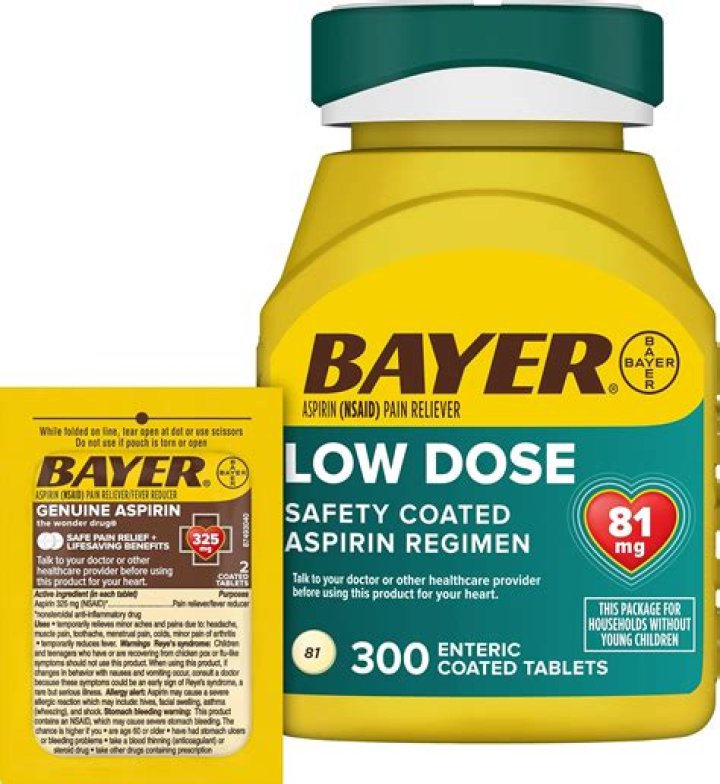
A single pill of baby aspirin contains 81 milligrams of aspirin. That's about a quarter of the 325-milligram dose in an adult aspirin pill. The new research review states that in the U.S., the most commonly prescribed aspirin dose for heart health is 81 milligrams per day.Is baby aspirin a blood thinner?
Low-dose aspirin or baby aspirin (81 to 100 milligrams) has been used as a safe and cheap way to reduce the risk of cardiovascular diseases, heart attacks, strokes, and blood clots. Aspirin does this by thinning out the blood and preventing blood clots from forming, which may block arteries.What should be avoided when taking aspirin?
If you are taking aspirin, avoid drinking alcoholic beverages because there is a risk of stomach bleeding. Avoid taking aspirin on an empty stomach, as this can cause heartburn. Take it with water, milk, or food. Do not take any over-the-counter drugs without first getting your doctor's approval.Does aspirin affect blood pressure?
Aspirin traditionally was assumed to have no effect on blood pressure,5 but in recent studies, aspirin intake at bedtime compared with intake on awakening considerably reduced blood pressure.What is the safest blood thinner?
Safer Blood-Thinning Drugs to Prevent StrokeThe newer medications are Pradaxa (dabigatran), Xarelto (rivaroxaban), Eliquis (apixaban), and most recently Savaysa (edoxaban) — which work by preventing pooled blood in the heart from clotting. Unlike warfarin, the newer drugs are safer and easier for patients to use.
What is a natural blood thinner?
Some herbs and spices that contain salicylates (a natural blood thinner) include cayenne pepper, cinnamon, curry powder, dill, ginger, licorice, oregano, paprika, peppermint, thyme and turmeric. Meanwhile there are fruits that can aid in blood thinning.What is the difference between aspirin 81 mg and 325 mg?
No difference in efficacy or safety was observed, although there was a trend toward greater efficacy with ASA 325 mg vs. ASA 81 mg. Three meta-analyses did not find a difference in bleeding events within the low dose range, while one found that higher doses were associated with more events.What does taking 81 mg aspirin do?
Prevents blood clots.Aspirin blocks factors in the blood that cause blood clots to form. Blood clots are good when they stop bleeding; but harmful when they clog the arteries leading to the heart or brain and increase the risk of heart attack and stroke.
What organ is damaged by taking too much aspirin?
Symptoms of Aspirin PoisoningSevere disease can cause acute kidney injury... read more ), kidney failure. Kidney failure is the inability of the kidneys to adequately filter metabolic waste products from the blood.