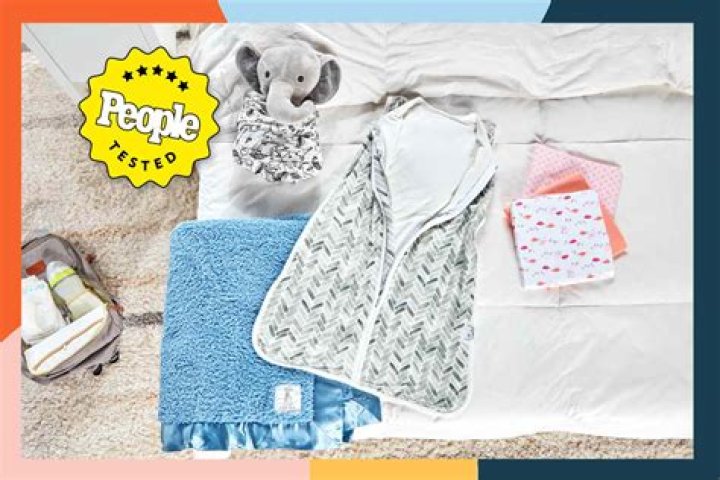
The benefits of baby blankets extend far beyond providing warmth for your little one. The familiarity of a special blanket provides a sense of comfort and security throughout childhood. Having a special blanket to turn to helps to lessen stress that you might not even realize your baby is feeling.
Are baby blankets necessary?
The American Academy of Pediatrics recommends keeping the crib free of blankets, pillows, toys and other items until baby is 12 months old, as these can create a suffocation hazard and increase the risk of Sudden Infant Death Syndrome (SIDS).Should you cover babies with blankets?
When can your baby sleep with a blanket? The American Academy of Pediatrics (AAP) recommends keeping soft objects and loose bedding out of the sleeping area for at least the first 12 months. This recommendation is based on data around infant sleep deaths and guidelines for reducing the risk of SIDS.How do I keep my baby warm at night without a blanket?
Pajamas with feet are a good choice. "Wearable blankets" or sleep sacks that won't get tangled can also help keep your baby cozy. Contrary to what you might think, babies don't need more bundling up than adults.Should I put a blanket on my baby at night?
You may be tempted to offer your baby a soft, warm blanket to help comfort them at night. However, blankets are not recommended until your baby reaches at least 12 months old because they can increase the risk of accidental suffocation.When Can Baby Sleep With a Blanket? Is it Safe?
When can a baby start sleeping with a blanket?
It is not safe for babies less than 12 months old1 to sleep with blankets, according to the American Academy of Pediatrics.How many blankets should I put on my newborn?
Many moms find that they regularly use at least 10-12 baby blankets. If you do laundry every day, you will need fewer blankets. If you do laundry less frequently or send your laundry out, you may need twice as many.How many receiving blankets do I need for my newborn?
How many Receiving Blankets or Swaddle Blankets do you Need? After your baby arrives, you'll probably want to have at least 5 receiving blankets and 5 swaddle blankets on hand. Once you spend some time with your baby, you can decide if you like one type of blanket more than the other, and stock up on more as needed.What is the purpose of receiving blankets?
The most obvious, and common, use for a receiving blanket is to wrap your little one up and keep him or her warm. These soft cover ups provide a baby with security and heat while the thinness of the material allows for some air flow to prevent overheating.Does the hospital give you receiving blankets?
While many hospitals don't make a policy of giving receiving blankets to families, many of the blankets end up leaving the hospitals with the babies.What is the difference between a burp cloth and receiving blanket?
2. Burping- burping cloths are small in size because they are meant to go over a parent's shoulder, receiving blankets provide more protection than your average baby burp cloth. They don't have to be positioned just right, since they already cover a larger space.Should I keep my babies hands covered?
If you can cover them without the risk of overheating, you can do it. If you don't, that's also fine – in most cases, cold hands are a normal phase of your baby's development.Why can't you put a blanket in the crib?
In short, no, because blankets can be a hazard in the crib. About 3,600 babies in this country die unexpectedly every year while sleeping, and the reasons are often related to sudden infant death syndrome (SIDS), suffocation, entrapment or strangulation, with blankets increasing the risk of all four.What should newborns wear to bed?
When dressing your newborn for bed, follow this rule of thumb: dress the infant in one additional layer than what you'd be comfortable wearing at night in that room. Consider a onesie, sleep sack, or lightweight swaddle in warmer months. In colder months, opt for a long-sleeved onesie or a heavier sleepsack or swaddle.How do you know if baby is cold at night?
The easiest way to tell if your baby is too hot or too cold is by feeling the nape of the neck to see if it's sweaty or cold to the touch. When babies are too warm, they may have flushed cheeks and look like they're sweating.Should I cover my baby's hands at night?
So it's better to avoid them. Cover Your Baby's Head and Hands: As babies lose a lot of heat through their head and hands, it becomes really important to get hold of a soft baby cap and lightweight mittens to provide your little one an extra layer of warmth.Can a baby suffocate with a muslin blanket?
DON'T swaddle your baby too looselyOn the other hand, a newborn who isn't swaddled tightly enough can squirm their way free of the baby swaddle blanket. This can pose a suffocation or SIDS risk.